Neil deGrasse Tyson: Net Worth, Son & Education Insights
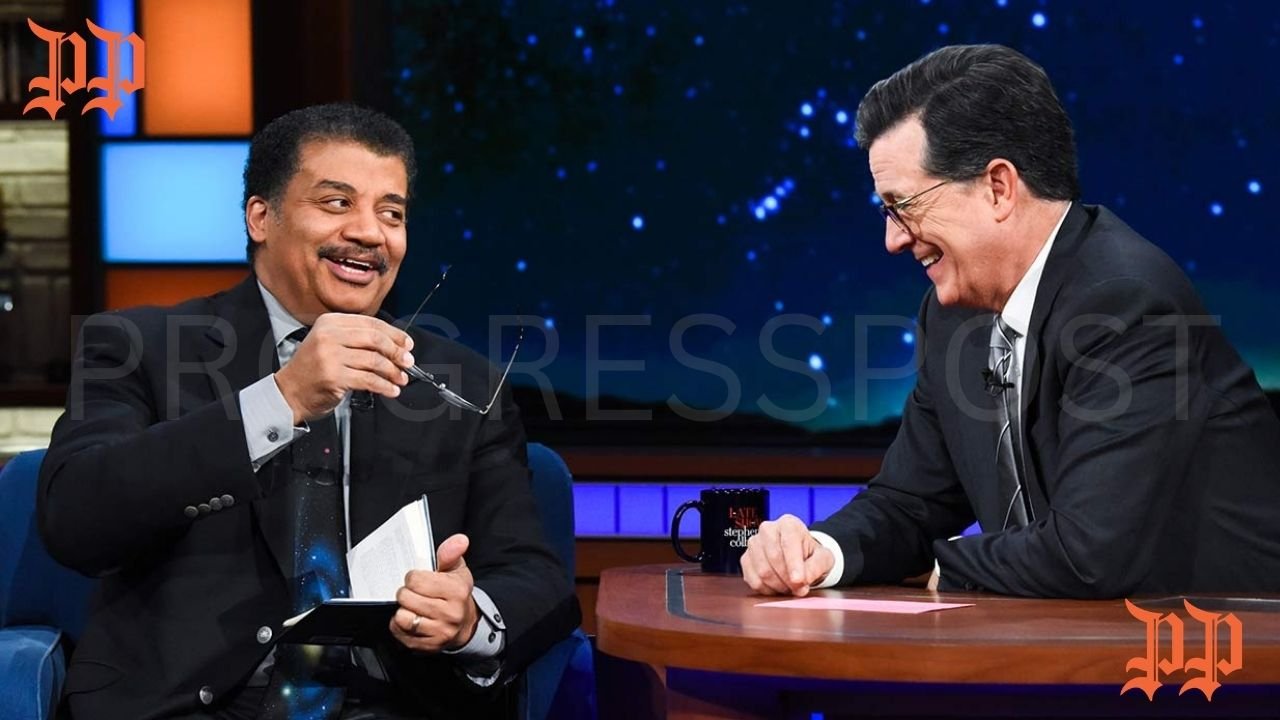
Neil deGrasse Tyson is one of the world’s most recognized astrophysicists and science communicators. He has spent decades making astronomy and space science easier for people of all ages to understand. Through books, television programs, podcasts, interviews, and public lectures, Tyson has inspired millions to become curious about the universe. His ability to explain complex scientific ideas in simple language has earned him a global audience. Whether discussing black holes, distant galaxies, or the future of space exploration, he presents information with clarity, humor, and enthusiasm. As a result, many people search for details about his career, education, family, and financial success.
Beyond his scientific achievements, Neil deGrasse Tyson has become a trusted public figure whose opinions often shape discussions about science education and space research. He has worked with leading scientific institutions, collaborated with educators, and encouraged young students to pursue careers in science, technology, engineering, and mathematics. His influence extends beyond laboratories because he believes scientific thinking helps people make better decisions in everyday life. This article explores his early years, academic journey, professional accomplishments, estimated net worth, family life, books, and lasting impact on science communication around the world.
Profile biography
| Attribute | Details |
|---|---|
| Name | Neil deGrasse Tyson |
| Profession | Astrophysicist, Author, Science Communicator |
| Net Worth | $5 Million (Estimated) |
| Husband | Alice Young |
| Son | Travis Tyson |
| Age | 65 (born October 5, 1958) |
| Famous For | Cosmos: A Spacetime Odyssey, Astrophysics |
| Education | Harvard University, Columbia University |
| Notable Books | Astrophysics for People in a Hurry, The Pluto Files |
| Social Media Presence | Active on Twitter, Instagram, and YouTube |
| Current Role | Director of Hayden Planetarium |
Neil deGrasse Tyson’s Early Life and Family Background
Neil deGrasse Tyson was born on October 5, 1958, in Manhattan, New York City. He grew up in a supportive family that encouraged curiosity and education from an early age. His father worked as a sociologist and commissioner for youth programs, while his mother contributed as a gerontologist. Their emphasis on learning helped Tyson develop confidence in asking questions and exploring new ideas. During his childhood, he enjoyed visiting museums, reading books, and observing the natural world. These experiences laid the foundation for his lifelong fascination with science and discovery. His parents valued education deeply, creating an environment where intellectual growth became part of daily life.
A visit to the Hayden Planetarium during his childhood became one of the defining moments of his life. Looking at the stars through a planetarium presentation sparked a deep interest in astronomy that continued throughout his teenage years. Tyson soon began studying constellations, reading astronomy books, and attending science programs whenever possible. His dedication stood out among classmates because he invested countless hours learning about the universe outside regular school lessons. By the time he graduated from high school, he had already gained recognition for his knowledge of astronomy and knew he wanted to build a professional career studying space.
Neil deGrasse Tyson’s Education and Academic Journey
Education played a central role in Neil deGrasse Tyson’s success. After completing high school at the Bronx High School of Science, he enrolled at Harvard University. There, he studied physics and earned his bachelor’s degree while strengthening his understanding of mathematics, astronomy, and scientific research. Harvard provided opportunities to learn from respected professors and participate in advanced academic discussions. Tyson remained focused on developing both theoretical knowledge and practical research skills. His years at Harvard helped shape the analytical thinking that later became essential throughout his scientific career and public outreach efforts.
Tyson continued his academic journey by earning a master’s degree in astronomy from the University of Texas at Austin. He later completed his doctoral studies in astrophysics at Columbia University. His advanced education allowed him to specialize in the study of stars, galaxies, and the structure of the universe. Throughout these years, he conducted research while improving his ability to communicate scientific ideas effectively. Rather than limiting himself to academic circles, Tyson believed science should be understandable for everyone. His educational achievements provided both the scientific credibility and communication skills that later made him one of the world’s leading science educators.
How Neil deGrasse Tyson Built His Career in Astrophysics
After completing his education, Neil deGrasse Tyson focused on combining scientific research with public education. He joined respected research institutions and contributed to studies involving stellar evolution, galactic structure, and cosmology. His expertise earned recognition throughout the scientific community, but he also understood that research alone could not inspire society unless people appreciated its importance. Tyson began writing articles, delivering lectures, and participating in educational programs that connected scientific discoveries with everyday life. His approachable communication style quickly distinguished him from many other researchers and expanded his influence beyond universities.
One of the biggest milestones in Tyson’s career came when he became the director of the Hayden Planetarium in New York City. Under his leadership, the planetarium introduced modern exhibits that encouraged visitors to explore astronomy through engaging presentations and interactive learning experiences. His growing public profile led to appearances on television, radio programs, documentaries, and educational podcasts. Tyson also hosted the acclaimed television series Cosmos: A Spacetime Odyssey, introducing millions of viewers to the wonders of the universe. Today, he remains one of the most influential voices in astrophysics, balancing scientific research with an ongoing commitment to public education and scientific literacy.
Neil deGrasse Tyson’s Net Worth and Main Sources of Income
Neil deGrasse Tyson has built an impressive career that combines scientific research, education, media, and public speaking. His estimated net worth is generally reported to be between $5 million and $10 million, although exact figures are not publicly confirmed. Unlike many celebrities, Tyson earned his wealth through years of dedication to science rather than entertainment alone. His income comes from multiple professional activities, including his leadership roles at scientific institutions, bestselling books, television hosting, podcasting, speaking engagements, and educational collaborations. This diverse income stream reflects both his expertise and his ability to connect with audiences around the world.
Book royalties remain an important part of Tyson’s earnings. Popular titles such as Astrophysics for People in a Hurry, Death by Black Hole, Letters from an Astrophysicist, and Accessory to War continue to attract readers interested in astronomy and science. Television projects have also contributed significantly to his financial success, especially his work on Cosmos: A Spacetime Odyssey and StarTalk. In addition, Tyson frequently delivers keynote speeches at universities, scientific conferences, and corporate events. These engagements strengthen his reputation while providing another reliable source of income. His career demonstrates that combining scientific excellence with effective communication can create both professional influence and long-term financial stability.
Does Neil deGrasse Tyson Have a Son? Family and Personal Life
Many people search online to find out whether Neil deGrasse Tyson has a son. Publicly available information indicates that Tyson and his wife, Alice Young, have two children, and they have generally chosen to keep their family life private. While Tyson occasionally shares stories about parenting and education during interviews, he avoids revealing many personal details about his children. This decision allows his family to maintain privacy despite his international recognition. His careful balance between public life and personal responsibilities has earned respect from many supporters who appreciate his focus on protecting his family’s personal space.
Neil deGrasse Tyson married Alice Young in 1988. Alice has a strong academic background in mathematics and has supported Tyson throughout his career. Together, they have encouraged education, curiosity, and lifelong learning within their family. Tyson often explains that curiosity begins during childhood and should be encouraged rather than limited. Although he spends much of his time writing, speaking, recording podcasts, and appearing in documentaries, he has frequently emphasized the importance of family life. His ability to balance professional success with personal responsibilities reflects the values he has promoted throughout his career, including education, respect, and intellectual curiosity.
Books, Television Shows, and Public Speaking Success
Neil deGrasse Tyson has written numerous books that make astronomy accessible to readers without scientific backgrounds. One of his most successful works, Astrophysics for People in a Hurry, became an international bestseller because it explains complicated topics using simple language and relatable examples. Other popular books include The Pluto Files, Death by Black Hole, Letters from an Astrophysicist, Origins, and Welcome to the Universe. These publications have introduced millions of readers to subjects such as galaxies, black holes, dark matter, and the history of scientific discovery. His writing style combines scientific accuracy with humor, making difficult concepts easier to understand.
Television has expanded Tyson’s influence far beyond traditional classrooms. As the host of Cosmos: A Spacetime Odyssey, he continued the educational legacy established by Carl Sagan while introducing a new generation to astronomy. He also hosts the popular StarTalk television and podcast series, where scientists, celebrities, comedians, and experts discuss science in an entertaining format. Beyond television, Tyson regularly delivers keynote speeches at universities, museums, science festivals, and international conferences. His presentations encourage audiences to think critically, ask questions, and appreciate the importance of scientific literacy. These activities have made him one of the world’s most recognized science communicators.
Major Awards, Honors, and Scientific Contributions
Neil deGrasse Tyson has received numerous awards recognizing both his scientific achievements and his commitment to public education. Throughout his career, universities and scientific organizations have honored him for making astronomy understandable and exciting for people from every background. He has received multiple honorary doctorates, recognizing his outstanding contributions to science communication. Tyson has also been awarded prestigious medals for advancing public interest in astronomy and promoting scientific thinking. These honors reflect decades of work dedicated not only to research but also to inspiring future generations of scientists, educators, and lifelong learners.
In addition to receiving awards, Tyson has made lasting contributions to the scientific community through research, education, and leadership. As director of the Hayden Planetarium, he helped modernize exhibits and expand educational outreach programs that attract visitors from around the world. His research interests include stellar evolution, galactic astronomy, and cosmology, while his public work focuses on improving science literacy and encouraging evidence-based thinking. Tyson has consistently advocated for increased investment in scientific research, space exploration, and STEM education. His influence reaches classrooms, universities, museums, government discussions, and media platforms, making him one of the most respected voices in modern science communication.
Neil deGrasse Tyson’s Influence on Science Education and Public Outreach
Neil deGrasse Tyson has transformed the way millions of people learn about astronomy and science. Instead of limiting his work to research papers and university lectures, he has dedicated much of his career to making scientific knowledge available to everyone. Through television programs, podcasts, books, interviews, museum exhibitions, and public lectures, Tyson has encouraged people of all ages to explore the universe with curiosity and critical thinking. His ability to explain complex ideas using simple language has made science less intimidating for beginners. Students, teachers, parents, and lifelong learners continue to benefit from his educational efforts because he presents facts in an engaging and understandable way.
Another important aspect of Tyson’s influence is his support for STEM education. He regularly encourages young people to pursue careers in science, technology, engineering, and mathematics. During interviews and public appearances, he emphasizes that curiosity should always be encouraged because asking questions leads to discovery and innovation. Tyson also speaks about the importance of scientific literacy in everyday life, explaining that evidence-based thinking helps people make informed decisions. His outreach efforts continue to inspire schools, universities, museums, and educational organizations around the world, ensuring that science remains accessible to future generations.
Interesting Facts About Neil deGrasse Tyson
Neil deGrasse Tyson has many interesting achievements that extend beyond his role as an astrophysicist. As a teenager, he developed such a strong interest in astronomy that he frequently visited the Hayden Planetarium and participated in astronomy programs. His passion for space became so well known that the famous astronomer Carl Sagan personally invited him to visit Cornell University while he was still in high school. Tyson has often shared this story as an example of how kindness and encouragement from mentors can shape a young person’s future. Today, he continues to inspire students in much the same way that Sagan inspired him decades ago.
Tyson is also recognized for his engaging personality and sense of humor. His social media posts often combine scientific facts with entertaining observations about everyday life, helping science reach audiences who might not normally read academic material. He has appeared in documentaries, television shows, podcasts, and even cameo roles in popular entertainment. Despite his fame, Tyson continues to emphasize that science is a collaborative effort involving countless researchers around the world. His approachable communication style has helped remove barriers between scientists and the general public, making learning about the universe both enjoyable and accessible.
Why Neil deGrasse Tyson Remains One of the World’s Most Trusted Science Communicators
Neil deGrasse Tyson has earned public trust because he consistently bases his explanations on scientific evidence rather than personal opinion. Throughout his career, he has encouraged audiences to evaluate information critically and rely on facts supported by research. His presentations focus on educating rather than persuading, allowing people to understand scientific discoveries through clear explanations and logical reasoning. Whether discussing space exploration, climate science, or astronomy, Tyson presents information in a balanced and accessible manner. This commitment to accuracy has helped establish his reputation as one of the world’s leading science communicators.
His continued relevance also comes from his willingness to adapt to modern communication platforms. Tyson reaches audiences through books, television, podcasts, interviews, online videos, and social media, ensuring that scientific knowledge remains available across multiple formats. He understands that today’s learners consume information in different ways, so he continues to expand his educational outreach. By combining expertise with effective communication, Tyson has inspired millions to appreciate science and explore the mysteries of the universe. His work demonstrates that knowledge becomes most valuable when it is shared openly, clearly, and enthusiastically with people from every background.
Conclusion
Neil deGrasse Tyson has built an extraordinary career by combining scientific excellence with outstanding communication skills. From his early fascination with astronomy to becoming one of the world’s most respected astrophysicists, his journey reflects dedication, curiosity, and a lifelong commitment to education. His achievements in research, television, publishing, and public speaking have inspired millions to learn more about the universe and appreciate the importance of science in everyday life.
Beyond his professional accomplishments, Tyson continues to encourage critical thinking, evidence-based learning, and curiosity among people of all ages. His books, lectures, podcasts, and educational programs have made astronomy accessible to audiences around the globe. Whether someone is interested in his education, family, estimated net worth, or scientific contributions, Neil deGrasse Tyson remains an influential figure whose work will continue inspiring future generations of scientists, educators, and space enthusiasts.
Frequently Asked Questions
Who is Neil deGrasse Tyson?
Neil deGrasse Tyson is an American astrophysicist, author, television host, and science communicator. He is widely known for explaining astronomy and space science in a way that is easy for the general public to understand.
What is Neil deGrasse Tyson’s net worth?
Neil deGrasse Tyson’s estimated net worth is commonly reported to be between $5 million and $10 million. His income comes from books, television hosting, podcasts, public speaking, and his work in science education.
Does Neil deGrasse Tyson have a son?
Public information indicates that Neil deGrasse Tyson and his wife, Alice Young, have two children. However, they keep their family life private, and details about their children are rarely shared publicly.
Where did Neil deGrasse Tyson study?
Neil deGrasse Tyson earned a bachelor’s degree in physics from Harvard University, a master’s degree in astronomy from the University of Texas at Austin, and a Ph.D. in astrophysics from Columbia University.
What is Neil deGrasse Tyson best known for?
He is best known for making astronomy and astrophysics understandable for the public through bestselling books, television programs such as Cosmos: A Spacetime Odyssey, the StarTalk podcast, and public lectures.
What books has Neil deGrasse Tyson written?
Some of his most popular books include Astrophysics for People in a Hurry, Death by Black Hole, Letters from an Astrophysicist, The Pluto Files, Origins, and Welcome to the Universe.
Is Neil deGrasse Tyson still active in science communication?
Yes. Neil deGrasse Tyson continues to write books, host the StarTalk podcast, give public lectures, appear in media interviews, and promote science education around the world.
READ MORE : Wallpostmedia Com: Your Complete Guide to Digital News, Trends, and Online Insights
Share this content: